

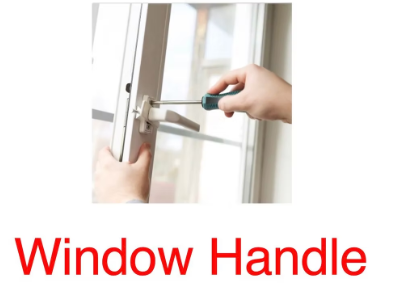
A broken or loose window handle may seem like a small problem, but it can affect your home’s security, energy efficiency, and ease of use. Fortunately, learning how to replace a window handle is a simple DIY task that most homeowners can complete in less than an hour with basic tools. Whether your handle is damaged, outdated, or no longer functioning properly, replacing it can restore both safety and comfort.
This guide will walk you through everything you need to know, from identifying the correct handle type to installing a new one correctly.
Why You Might Need to Replace a Window Handle
Window handles wear out over time due to regular use, weather exposure, or poor-quality materials. Common reasons for replacement include:
- The handle is broken, cracked, or loose
- The locking mechanism no longer works
- The handle feels stiff or difficult to turn
- You want to upgrade for better security or appearance
- The handle has become rusty or corroded
Replacing the handle not only improves functionality but can also prevent air leaks and enhance window security.
Types of Window Handles
Before replacing a window handle, it’s important to identify the correct type. The most common window handle types include:
Espag (Espagnolette) Handles
These are the most widely used handles on modern uPVC and aluminum windows. They operate a multi-point locking system and are available in locking and non-locking versions.
Cockspur Handles
Often found on older uPVC and timber windows, cockspur handles use a simple latch that clamps over a wedge on the window frame.
Tilt and Turn Handles
Common in European-style windows, these handles allow the window to tilt inward for ventilation or turn fully open.
Sash Window Handles
Used on sliding sash windows, these handles are usually simpler and may include a locking mechanism for added security.
Knowing your handle type ensures you buy a suitable replacement that fits correctly.
Tools and Materials You Will Need
Replacing a window handle does not require specialized tools. Most installations only need:
- A screwdriver (Phillips or flathead, depending on screws)
- A replacement window handle
- Measuring tape or ruler
- Allen key (for some handle types)
- Pencil (optional)
Always check the manufacturer’s instructions for your specific handle.
Step 1: Measure the Existing Window Handle
Accurate measurements are essential when replacing a window handle. Measure the following:
- Screw hole distance (fixing centers)
- Spindle length (the metal bar that connects the handle to the locking mechanism)
- Handle orientation (left-handed or right-handed, if applicable)
Taking the old handle with you to the hardware store can help ensure a perfect match.
Step 2: Remove the Old Window Handle
Start by opening the window fully for easy access. Most window handles have screws hidden beneath a plastic cover or cap.
- Gently rotate or slide the cover to expose the screws.
- Use a screwdriver to remove the screws.
- Pull the handle away from the window frame.
- Remove the spindle if it comes out with the handle.
If the handle is stuck, gently wiggle it while pulling straight out.
Step 3: Check the Window Mechanism
Before installing the new handle, inspect the locking mechanism inside the window. Make sure it moves freely and is not damaged. If the mechanism is stiff, applying a small amount of lubricant can improve performance.
If the locking system is faulty, replacing the handle alone may not solve the problem.
Step 4: Install the New Window Handle
Insert the spindle of the new handle into the hole in the window frame. Align the handle with the screw holes.
- Position the handle correctly (vertical or horizontal, as required).
- Insert the screws and tighten them evenly.
- Avoid over-tightening, as this can damage the window frame or strip the screws.
Ensure the handle is firmly secured but still operates smoothly.
Step 5: Test the Handle
Close and open the window several times to ensure the handle works properly. Check that:
- The handle turns smoothly
- The locking mechanism engages correctly
- The window seals properly when closed
If the handle feels stiff, loosen the screws slightly and adjust its position.
Common Mistakes to Avoid
When learning how to replace a window handle, avoid these common errors:
- Buying the wrong handle type or spindle length
- Over-tightening screws
- Installing the handle upside down
- Ignoring a faulty locking mechanism
Taking a few extra minutes to measure and test can prevent future issues.
When to Call a Professional
Although replacing a window handle is usually straightforward, professional help may be needed if:
- The window mechanism is damaged
- Screws are stripped or stuck
- The window frame is cracked or warped
- The handle replacement does not align properly
A professional can ensure the window operates safely and efficiently.
Benefits of Replacing a Window Handle
Replacing a window handle offers several advantages:
- Improved window security
- Better energy efficiency by ensuring a tight seal
- Smooth and reliable operation
- Enhanced appearance of the window
- Cost-effective home improvement
It’s a small upgrade that can make a big difference.
Final Thoughts
Learning how to replace a window handle is a practical DIY skill that saves time and money. With the right tools, proper measurements, and careful installation, most homeowners can complete the task quickly and confidently. Whether you’re fixing a broken handle or upgrading your windows, replacing a window handle is an easy way to improve safety, comfort, and functionality in your home.
If problems persist after replacement, it may be worth checking the window’s internal mechanism or seeking professional assistance for a long-term solution.
